Not All Pharmacies Are Equal: The Hidden Safety Risks of Switching Where You Fill Your Prescriptions

The Assumption Nobody Questions
When Americans move, change insurance plans, or simply opt for the convenience of mail-order delivery, the question they rarely ask is: does any of this affect my medication? The reasonable assumption is no. The drug is the drug. The milligram is the milligram. A bottle of metoprolol from a national chain in Ohio should be identical to one dispensed through a mail-order pharmacy operating out of a warehouse in Nevada.
That assumption deserves closer scrutiny.
Pharmaceutical compounds are not inert objects. They are chemically active substances with defined stability windows, storage requirements, and handling sensitivities. The conditions under which a medication travels from manufacturer to wholesaler to pharmacy to patient represent a chain of custody with multiple opportunities for compromise. When that chain changes — as it does every time you switch pharmacy providers — so do the variables governing what you ultimately ingest.
Temperature, Humidity, and the Stability Window
The United States Pharmacopeia (USP) establishes storage standards for pharmaceutical products, specifying conditions such as controlled room temperature (CRT), refrigeration, and protection from light. These are not suggestions. They are thresholds below which a drug's chemical integrity begins to degrade.
Retail pharmacy environments vary considerably in how rigorously these conditions are maintained. A well-regulated independent pharmacy with climate-controlled storage rooms operates differently from a high-volume chain location where medications may sit in receiving areas, on open shelving near heat sources, or in vehicles during last-mile delivery. Mail-order pharmacies introduce an additional variable: transit. Packages shipped through standard courier services in summer months can reach internal temperatures well above acceptable ranges, particularly in states like Texas, Arizona, and Florida where ambient temperatures routinely exceed 95°F.
Drugs that are especially vulnerable to thermal degradation include nitroglycerin, insulin analogs, certain antiepileptics, and some antidepressants. Even modest temperature excursions — brief periods above the labeled storage range — can accelerate molecular breakdown, reducing potency without producing any visible change in the tablet or capsule. The patient continues taking what appears to be a normal dose while receiving a pharmacologically diminished one.
The Mail-Order Variable
Mail-order pharmacy services have expanded dramatically over the past decade, driven by insurer incentives and the convenience of 90-day supplies delivered to the door. For stable, chronic-use medications with wide therapeutic windows, this model is often clinically appropriate. For medications with narrow therapeutic indices — drugs like warfarin, lithium, levothyroxine, or digoxin — the transit and storage variables introduced by mail-order fulfillment warrant more careful consideration.
A 2021 analysis published in the Journal of Managed Care & Specialty Pharmacy noted that temperature excursions during pharmaceutical shipping were more common than widely acknowledged, with some shipments recording out-of-range temperatures for significant portions of their transit time. Patients receiving these shipments rarely receive any notification. The package arrives looking normal. The medication looks normal. The problem, if one exists, is invisible.
Clinicians have documented cases where patients stabilized on thyroid replacement therapy began experiencing symptoms of under-replacement — fatigue, weight gain, cold intolerance — after transitioning to mail-order dispensing. When their prescribers investigated, no dose changes had occurred. In several instances, the working hypothesis centered on storage or transit conditions affecting the drug's bioavailability.
Dispensing Practices and the Human Factor
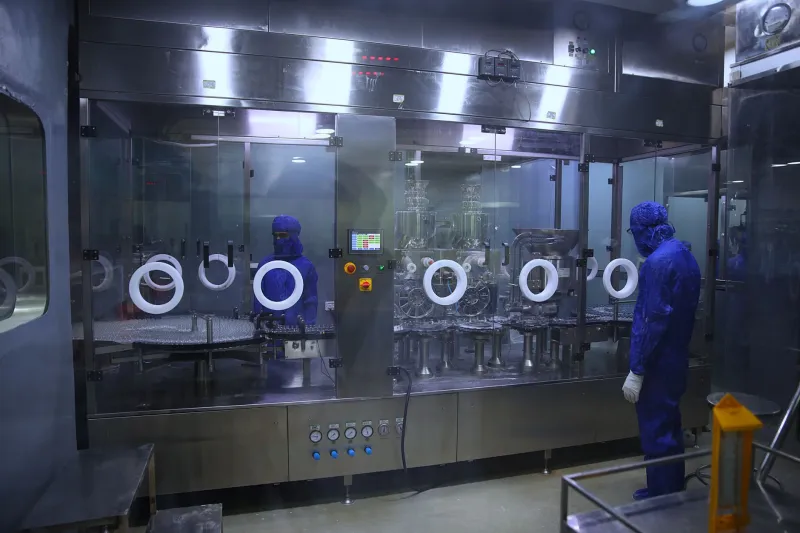
Beyond storage and transit, the actual dispensing process introduces its own set of variables. Pharmacies differ in how they source their drug supply, which wholesale distributors they use, and which manufacturer's version of a generic compound they stock at any given time. As previously documented on this site, generic substitutions between manufacturers are routine and largely invisible to patients.
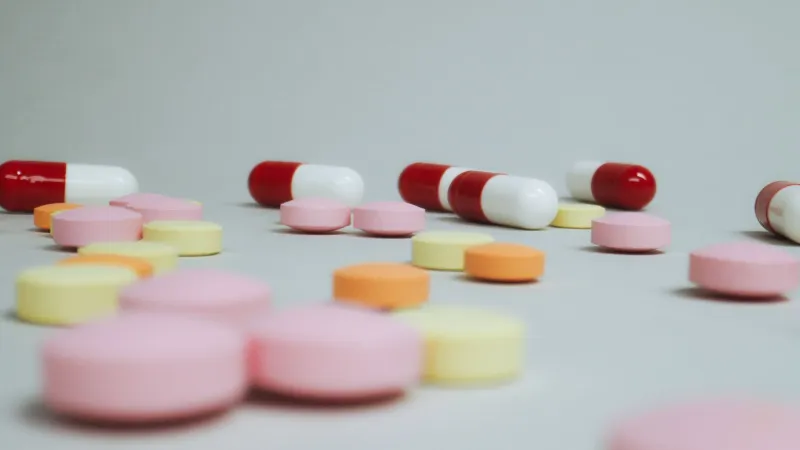
When you switch pharmacies, you may simultaneously switch manufacturers — even if the active ingredient and labeled dose remain identical. Inactive excipients, binder compositions, coating materials, and tablet dissolution rates can all differ between manufacturers, affecting how the drug behaves in your gastrointestinal tract. For patients with absorption sensitivities, gastrointestinal conditions such as Crohn's disease or celiac disease, or those taking medications with narrow therapeutic windows, these differences are not trivial.
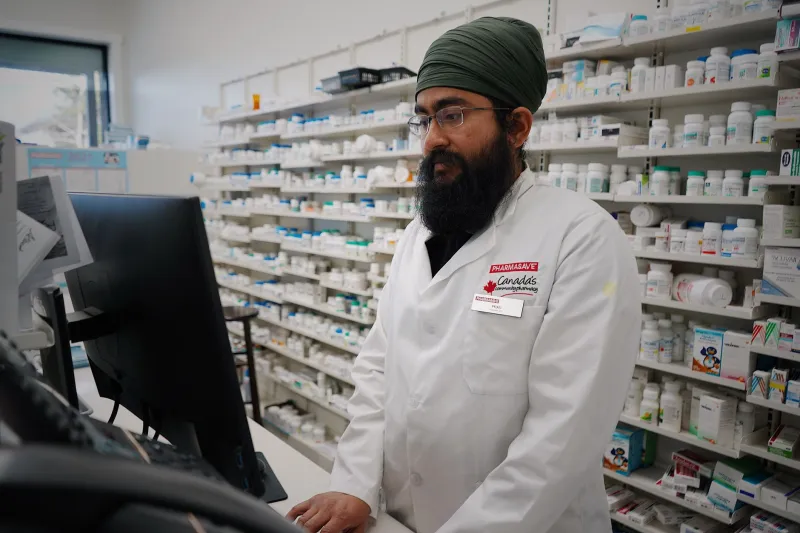
Dispensing accuracy also varies. High-volume retail pharmacies operating under significant throughput pressure have documented higher dispensing error rates than lower-volume settings. The Institute for Safe Medication Practices (ISMP) has repeatedly flagged workload and staffing pressures at retail chains as contributing factors in dispensing errors. This is not an indictment of any particular chain — it is a systemic observation about volume, workflow, and human performance under pressure.
What Patients Experience — And What They Attribute It To
The clinical challenge with pharmacy-related medication changes is that patients rarely connect their symptoms to a pharmacy switch. If a patient begins experiencing breakthrough anxiety two weeks after transitioning from a local pharmacy to a mail-order service, they are far more likely to attribute the change to stress, sleep, or disease progression than to a subtle shift in drug stability or bioavailability.
This attribution gap is clinically significant. It means that pharmacy-related medication issues are systematically underreported and underinvestigated. Prescribers adjusting doses or adding new medications in response to what is actually a pharmacy-sourced stability problem may inadvertently introduce additional risk.
Patients who track their symptoms rigorously — particularly those managing conditions like epilepsy, bipolar disorder, hypothyroidism, or anticoagulation therapy — are better positioned to identify temporal correlations between pharmacy changes and symptom shifts. That observational discipline is a meaningful safety tool.
A Practical Framework for Evaluating Your Pharmacy Environment
For patients managing medications with narrow therapeutic indices or documented stability sensitivities, the following considerations are clinically relevant:
Verify storage conditions. Ask your pharmacy, whether retail or mail-order, about their temperature monitoring protocols for both in-store storage and shipping. Reputable mail-order services should be able to provide documentation on how they handle temperature-sensitive medications in extreme weather.
Track manufacturer consistency. Each time you refill a prescription, note the manufacturer listed on the label. If it changes — particularly after a pharmacy switch — be alert to any changes in your clinical response over the following weeks.
Document symptom timelines. If you experience unexpected side effects or apparent loss of efficacy after changing pharmacies, document the timeline carefully and communicate it to your prescriber. The temporal relationship between a pharmacy change and a symptom shift is diagnostically meaningful.
Discuss high-risk medications with your prescriber. If you are taking warfarin, levothyroxine, lithium, antiepileptics, or other narrow-therapeutic-index drugs, have an explicit conversation with your prescriber before switching pharmacy providers. Some clinicians recommend lab monitoring after any dispensing source change for these medications.
Consider continuity as a safety variable. For medications where stability and consistency matter, maintaining a single dispensing source over time reduces the number of uncontrolled variables in your treatment.
The Larger Principle
Drug safety does not end when a prescription leaves the prescriber's office. It extends through the entire supply and dispensing chain — and patients are the last line of observation in that chain. Understanding that where your medication comes from, how it was stored, and how it reached you are all legitimate safety variables is not paranoia. It is pharmacologically informed self-advocacy.
The pharmacy you use is not a neutral administrative detail. It is part of your treatment environment. Treating it as such is a reasonable and clinically defensible position.