Invisible Overload: How Polypharmacy Quietly Overwhelms the Aging Body
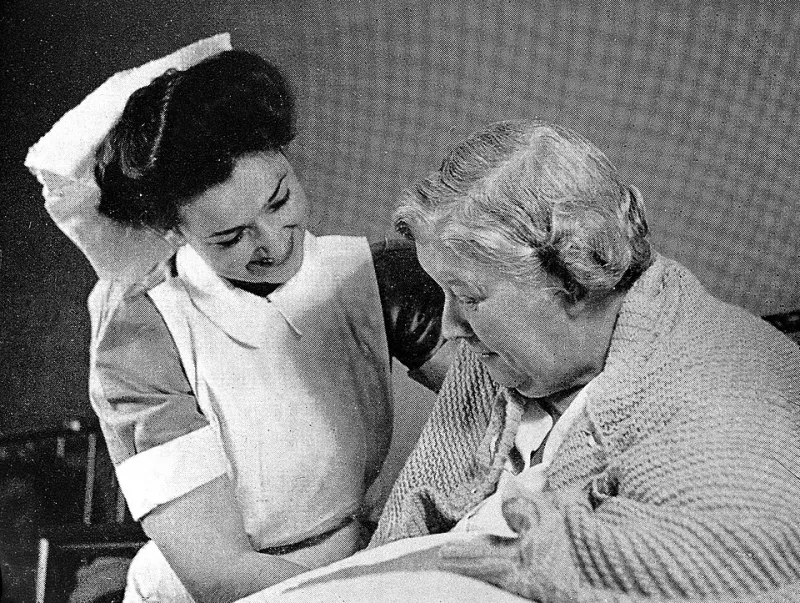
Photo: Unknown, CC BY 4.0, via Wikimedia Commons
Consider a common scenario in American geriatric medicine: a 74-year-old patient arrives at a primary care appointment reporting persistent fatigue, occasional confusion, and unsteady balance. Each symptom is evaluated in relative isolation. The fatigue is attributed to disrupted sleep. The cognitive lapses are noted as consistent with mild age-related memory change. The balance problem prompts a referral to physical therapy. What is not fully interrogated is the patient's medication list—eight separate prescriptions, added incrementally over the previous decade by three different specialists, none of whom had a complete picture of the whole.
This scenario is not exceptional. According to data from the Centers for Disease Control and Prevention, nearly 40 percent of adults aged 65 and older in the United States take five or more prescription medications simultaneously. Among those in long-term care settings, that figure climbs substantially higher. The clinical term for this condition—polypharmacy—has been recognized as a patient safety concern for decades, yet the systems designed to detect and prevent its harms remain inconsistent and reactive rather than proactive.
How Aging Transforms Drug Metabolism
The physiological changes associated with normal aging are not merely cosmetic. They fundamentally alter the pharmacokinetic profile of nearly every drug an older adult takes—meaning the way a medication is absorbed, distributed throughout the body, metabolized by the liver, and eliminated through the kidneys can differ substantially from how the same drug behaves in a younger patient.
Renal function typically declines with age, often without producing symptoms obvious enough to prompt investigation. A patient whose kidney filtration rate has dropped by 30 to 40 percent may still feel essentially well, yet that reduction means renally cleared medications accumulate in the bloodstream at higher concentrations than intended. Drugs that were prescribed at doses calibrated for normal kidney function become effectively overdosed in a body that can no longer clear them efficiently.
Hepatic metabolism also slows with age, affecting drugs that rely on liver enzyme activity for activation or breakdown. Body composition shifts—with lean muscle mass decreasing and fat stores increasing—change the distribution volume for both lipophilic and hydrophilic compounds. Serum albumin levels, which affect how much of a drug remains free and pharmacologically active versus protein-bound, may decline in older adults with nutritional deficiencies or chronic illness. Each of these changes, individually modest, compounds the others to produce a pharmacological environment that is fundamentally different from the one in which most dosing guidelines were established.
The Attribution Problem: Mistaking Drug Toxicity for Aging
Perhaps the most clinically dangerous feature of polypharmacy-related harm is how rarely it is recognized as such. The symptoms produced by cumulative drug toxicity—cognitive slowing, fatigue, orthostatic hypotension, constipation, urinary changes, mood disturbance, and loss of appetite—overlap extensively with the symptoms commonly associated with aging itself or with the progression of underlying chronic conditions.
When a 78-year-old patient reports increasing forgetfulness, the clinical instinct may be to consider early dementia. When the same patient reports difficulty rising from a chair, osteoarthritis or deconditioning may be assumed. What frequently goes unconsidered is whether a combination of anticholinergic medications—prescribed separately for bladder control, allergies, and sleep—is producing an additive cognitive burden well above what any single drug would cause in isolation.
The American Geriatrics Society's Beers Criteria, updated periodically, identifies medications that carry elevated risk for older adults due to their pharmacological properties. Anticholinergic agents, long-acting benzodiazepines, certain non-steroidal anti-inflammatory drugs, and first-generation antihistamines all appear on this list. Yet Beers Criteria medications continue to be prescribed at high rates among US seniors, partly because the criteria are advisory rather than mandatory, and partly because prescribers managing a single organ system may not be tracking what other specialists have already prescribed.
The Cascade Effect: When Treatments Create New Problems
A particularly insidious pattern in polypharmacy is the prescribing cascade—a sequence in which the side effect of one drug is misidentified as a new medical condition, prompting the addition of another drug to treat it. A patient who develops a persistent cough from an ACE inhibitor may receive a cough suppressant. A patient whose antihypertensive medication causes ankle swelling may be prescribed a diuretic. The diuretic triggers electrolyte imbalance, which produces muscle cramping, which prompts a magnesium supplement, which interacts with an existing antibiotic prescription.
Each individual decision may appear clinically reasonable in isolation. The cumulative result is a medication burden that no single prescriber fully owns or monitors.
What Patients and Caregivers Can Do Now
The most actionable step available to older patients and their caregivers is the comprehensive medication review—a systematic evaluation of every prescription, over-the-counter medication, supplement, and herbal product a patient is taking, assessed collectively for necessity, dosing appropriateness, and interaction risk. This review is most effective when conducted by a pharmacist with geriatric expertise or a primary care physician who has access to the complete medication history.
Medicare Part D covers an annual comprehensive medication review for eligible beneficiaries enrolled in qualifying plans. However, awareness of this benefit remains low, and the review is not automatically scheduled—patients or caregivers must request it.
Caregiver-maintained medication logs, which record not only drug names and doses but also the original indication for each prescription and the prescriber who authorized it, provide an invaluable reference during any clinical encounter. When new symptoms appear in an older adult, the question "could this be a medication effect?" should be asked before any additional treatment is initiated.
For any symptom that emerged after a new drug was added or a dose was increased, the timeline correlation is clinically significant and should be communicated explicitly to the prescribing provider. Deprescribing—the deliberate, supervised reduction or discontinuation of medications whose risks outweigh their benefits in a specific patient—is a legitimate and increasingly recognized clinical intervention, not an abandonment of care.
Closing the Monitoring Gap
The fundamental challenge of polypharmacy safety in older adults is not a lack of clinical knowledge—the risks are well-documented in the medical literature. The gap is systemic: fragmented care, inadequate cross-specialty communication, and the absence of mandatory medication reconciliation triggers allow dangerous drug accumulation to persist undetected for months or years.
Until those systemic gaps are addressed through policy and practice reform, patients and caregivers who understand the pharmacological realities of aging are better positioned to advocate for the proactive review that can prevent serious harm.